 JAZZPROFILES lives in the music 1,002 Jazz Artists fully Profiled!
 Cesar Camargo Mariano
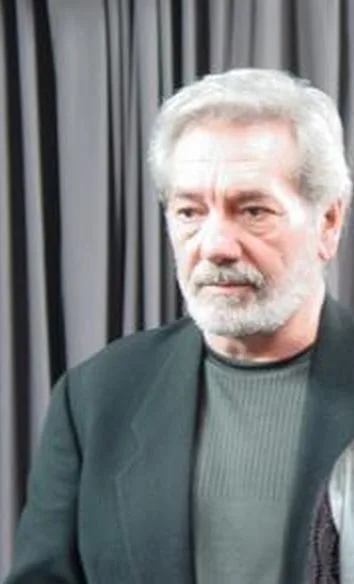
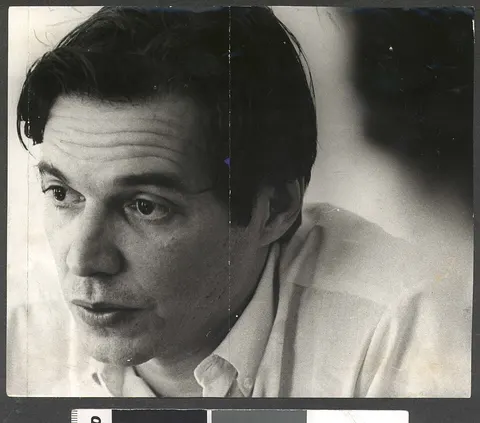
Cesar Camargo Mariano photographed in Rio de Janeiro, 2005; cropped from a portrait of the pianist with his son, the singer Pedro Mariano Public Domain (released by the uploader under {{PD-self}}) — Wikimedia Commons — https://commons.wikimedia.org/wiki/File:Marianos_(cropped).jpg (cropped from https://commons.wikimedia.org/wiki/File:Marianos.jpg)
.jpg)

Cesar Camargo Mariano was born in São Paulo on September 19, 1943. He never studied music formally and worked the piano out by ear from the age of thirteen. That same year, 1957, the American trombonist and arranger Melba Liston heard him and invited him to play at a jazz club in Rio de Janeiro; a Rio radio programme followed, billed as "The Boy Prodigy Who Plays Jazz." The pianist Johnny Alf became close to the family around the same time and eventually lived with them, and it was Alf who taught Mariano arranging and composition rather than any conservatory. São Paulo's TV Record put the teenager on air in a special called "Passport to Stardom."
He was a professional by his late teens, and in 1964 he formed the Sambalanço Trio in São Paulo with the bassist Humberto Clayber and the drummer Airto Moreira. The trio opened the João Sebastião Bar, one of the city's leading bossa nova rooms, and became its house group. It lasted barely two years and made four records: Sambalanço Trio (Audio Fidelity, 1964), a second self-titled album and Reencontro Com Sambalanço Trio (both Som Maior, 1965), and Lennie Dale E O Sambalanço Trio (Elenco, 1965) with the American dancer and singer Lennie Dale, which took Jornal do Brasil awards for best album and best show. The trio also backed the trombonist Raul de Souza on À Vontade Mesmo (RCA Victor, 1965), credited on the sleeve as the backing band with Mariano at the piano. In 1965 he cut a one-off big-band date, Octeto De César Camargo Mariano (Som Maior), whose two alternating rhythm sections put Clayber and Moreira on half the album and the bassist Sabá Oliveira da Paz, the drummer Toninho Pinheiro and the guitarist Heraldo do Monte on the other.
Sabá and Pinheiro became Som Três, the piano trio Mariano led from 1966 to 1971 while working as staff instrumentalist and arranger at TV Record. Its six albums, from Som/3 (Som Maior, 1966) through Som Três Show (Odeon, 1968), Som 3 (1969), Tobogã (1970), Um É Pouco, Dois É Bom, Êste Som Três É Demais (1970) and a final self-titled Odeon record in 1971, are the body of work his Discogs biography and the English Wikipedia article both describe as high points of Brazilian jazz. From 1967 the trio doubled as the band and arranging shop for the singer Wilson Simonal, whose Show Em Simonal Som Três shares billing on.
The 1970s made him famous for something else. He became musical director, arranger and producer for Elis Regina, whom he married and with whom he had two children, Pedro Mariano and Maria Rita, both later singers in their own right. He arranged all but one track of Elis & Tom, recorded at MGM Studios in Los Angeles between February 22 and March 9, 1974 and released that year on Philips, and played piano on three of its songs and electric piano on four more, sharing the keyboard chair with Antonio Carlos Jobim. He produced and mixed her albums from Elis (Philips, 1977), on which he also plays the entire keyboard section, piano, Fender Rhodes, Hammond organ and two synthesizers, through Transversal Do Tempo (1978), Essa Mulher (1979) and the boxed Saudade Do Brasil (1980), which he arranged, conducted and played as well as produced. The São Paulo critics' association gave him its best-arranger prize in 1972, 1974, 1978 and 1979. His own band of the period, Cesar Mariano & Cia., made São Paulo Brasil (RCA Victor, 1977), a keyboards-and-electric-guitar record cut on sixteen channels at RCA's São Paulo studio that has since become one of the most sought-after Brazilian jazz-funk albums of the decade, and a self-titled EMI follow-up in 1980.
Instrumental records took over from 1981, when he and the guitarist Hélio Delmiro recorded Samambaia for EMI, a duo album whose title tune became a standard of the Brazilian instrumental repertoire. A Todas As Amizades (1983) was cut in Los Angeles with Abraham Laboriel, Alex Acuña, Ernie Watts, Jerry Hey and Oscar Castro-Neves; Todas As Teclas (Barclay, 1983) paired him with the keyboardist Wagner Tiso; Voz E Suor (EMI, 1983) set him beside the singer Nana Caymmi. Prisma (Pointer, 1985), a two-piano record with Nelson Ayres, named the band he took onto the live Ponte Das Estrelas, recorded at Projeto SP in São Paulo on July 16, 17 and 18, 1986. A performance of the tune "Prisma" opened the CBS double album drawn from that year's Free Jazz Festival, the Rio and São Paulo festival that ran for sixteen editions from 1985, sharing the record with Wynton Marsalis, Gerry Mulligan, Egberto Gismonti, Ray Charles and Leny Andrade. Mitos (CBS, 1988) supplied the opening theme of the Globo telenovela Mandala, and CLIO awards for Chevrolet and Coca-Cola campaigns came from a parallel career writing advertising music.
He moved to the United States in April 1994 and has worked from there since, in duo and trio formats more than any other. He made three records with Leny Andrade: Nós (Velas), cut and mixed at Art-Mix Studio in São Paulo in December 1992 and issued in 1993; Ao Vivo, taped at the Teatro Guaíra in Curitiba and released in 2007, which won the Latin Grammy Award for Best MPB Album that year; and Momentos Da Bossa (2008), a United States issue of that material. Duo (Trama, 2002, and Sunnyside in the United States the same year) is a piano-and-guitar record with Romero Lubambo, by then a regular in Mariano's own quartet, and the two returned in 2005 with a three-disc Trama box shared with Pedro Mariano, on which Mike Stern and Dennis Chambers guest on one track. Piano & Voz, the father-and-son duo with Pedro, was nominated for Best MPB Album at the 5th Latin Grammy Awards in 2004. He also produced the Japanese alto saxophonist Sadao Watanabe's In Tempo (1994) and co-produced Viajando (1998) and Minha Saudade (2001).
The Latin Recording Academy gave him its Lifetime Achievement Award in 2006, the same year he was nominated for Producer of the Year. His memoir Solo, 464 pages published by Leya in 2011, was shortlisted for the 54th Prêmio Jabuti in the biography category. His most recent album, Joined (CLEF/PRA, 2017), issued as both a CD and a DVD, sets his São Paulo trio of Sidiel Vieira, Thiago Rabello and Conrado Goys against three European classical soloists he had met at the Música em Trancoso festival, among them the Berliner Philharmoniker clarinettist Walter Seyfarth and the violinist Rudiger Liebermann. It was nominated for Best Instrumental Album at the 18th Latin Grammy Awards in 2017, where he also appeared as a presenter.
Mariano's reputation in Brazil rests on two things that are usually named together: an unusually strong left hand and an unusually exact sense of swing, both audible on the Sambalanço Trio records of 1964 and both learned by ear rather than taught. Where the bossa nova pianists of the same rooms played sparely, he built the samba-jazz trio around a walking, chordal left hand that carried the groove instead of leaving it to the bass, which is why the Sambalanço and Som Três records read as jazz trios playing Brazilian material rather than as bossa nova with solos added. The arranger's ear is the other half of the sound: Johnny Alf taught him to write before he had any formal training, and he thinks in orchestration even at the keyboard, which is what makes the São Paulo critics' association giving him best arranger and best pianist in the same three years, 1982, 1983 and 1984, less of a coincidence than it looks. Reviewing Duo for All About Jazz in September 2003, Judith Schlesinger called two chordal instruments in a duo the hardest format to bring off and credited Mariano's "uncluttered approach" for why this one does, noting the rhythmic precision and the audible warmth between him and Romero Lubambo. His compositions have travelled further than his own records: "Samambaia," "Cristal," "Curumim" and "Don Quixote" are played by musicians who have never heard the originals.
- Samambaia (1981, EMI) - The duo with guitarist Hélio Delmiro that is generally taken as his masterpiece, and the source of the title tune that became a Brazilian instrumental standard. Spotify - Samambaia Listen
- São Paulo Brasil (1977, RCA Victor) - Cesar Mariano & Cia.'s first record, a keyboards-and-guitar band date recorded on sixteen channels at RCA's São Paulo studio and now a canonical Brazilian jazz-funk album. Spotify - São Paulo - Brasil Listen
- Sambalanço Trio (1964, Audio Fidelity) - The debut of the trio with Humberto Clayber and Airto Moreira, and one of the founding records of Brazilian samba-jazz. Spotify - Sambalanço Trio Listen
- Som/3 (1966, Som Maior) - The first Som Três album, the trio with Sabá Oliveira da Paz and Toninho Pinheiro that Mariano led for five years.
- Duo (2002, Trama / Sunnyside) - Piano and guitar with Romero Lubambo, recorded and mixed by Dave Kowalski and mastered by Tom Coyne, and winner of the first TIM Award for best instrumental album.
- Ao Vivo (2007, Albatroz Music) - A live reunion with Leny Andrade from the Teatro Guaíra in Curitiba, winner of the 2007 Latin Grammy Award for Best MPB Album. Spotify - Leny Andrade & Cesar Camargo Mariano Ao Vivo Listen
- Piano & Voz (2003, Trama) - The duo with his son Pedro Mariano, nominated for Best MPB Album at the 5th Latin Grammy Awards. Spotify - Piano & Voz Listen
- Joined (2017, CLEF/PRA) - His most recent album, a São Paulo trio plus three European classical soloists, nominated for Best Instrumental Album at the 18th Latin Grammy Awards. Spotify - Joined Listen
Cesar Camargo Mariano: Full Discography
Identity confirmed via the live Discogs API: artist ID 216815 ("César Camargo Mariano," realname Antônio César Camargo Mariano, born São Paulo, September 19, 1943), whose listed groups are Sambalanço Trio, Som Três, Octeto De César Camargo Mariano, Cesar Mariano & Cia. and Quarteto De Sabá. That page carries 447 credited releases: 25 tagged Main, 29 Producer, 5 Co-producer, 7 Mixed by, 279 bare Appearance, 89 TrackAppearance and 13 unofficial pressings. The Appearance and TrackAppearance rows are overwhelmingly Brazilian popular-music session and arranging days and single-track compilation licences, and are not itemized here.
The Main tag understates the leader catalogue badly. Every record he made with a named band, which is his entire output from 1964 to 1980, is filed under that band's own Discogs artist entry and appears nowhere in his personal listing. The albums below were assembled from those five group entries as well as his own, and Joined (2017), his most recent album and a Latin Grammy nominee, is absent from Discogs altogether and is documented from his own label and site instead. Every Discogs master was resolved through its main release before any label, catalogue number or format was written down.
As Leader / Co-Leader
| Album Title | Recording Date(s) | Release Date | Label | Catalog Number | Format(s) | Personnel | Role | Reissue History | Spotify | Buy | Notes |
|---|---|---|---|---|---|---|---|---|---|---|---|
| Sambalanço Trio | Not specified on the release | 1964 | Audio Fidelity | AFLP-2010 | Vinyl, LP, Album | Cesar Camargo Mariano (piano), Humberto Clayber (bass), Airto Moreira (drums); liner notes by J. L. Ferrete | Co-leader (trio) | Reissued 1979 in Japan on Seven Seas as Homenagem A Clifford Brown; remastered CD reissues 1996 and 2007 (Bomba Records), 2000 (Ubatuqui), 2002 (Som Livre) | Spotify - Sambalanço Trio | — | The trio's debut and one of the founding samba-jazz records. Discogs carries no instrument credits on the original pressing; the personnel is the trio's documented lineup, confirmed by the Discogs artist entry for Sambalanço Trio and by the group's Wikipedia article |
| Sambalanço Trio (second album) | Not specified on the release | 1965 | Som Maior | SMLP - 1501 | Vinyl, LP, Album | Cesar Camargo Mariano (piano), Humberto Clayber (bass), Airto Moreira (drums); liner notes by Moracy Do Val | Co-leader (trio) | None found | — | — | Discogs files this as a second self-titled album; his own site lists the 1964 and 1965 albums as Sambalanço Trio Vol I and Vol II and credits both to RGE, which owned the Som Maior imprint. Some sources title the 1965 record Improviso Negro, a naming conflict this pass could not settle |
| Reencontro Com Sambalanço Trio | Not specified on the release | 1965 | Som Maior | SMLP - 1517 | Vinyl, LP, Album | Cesar Camargo Mariano (piano), Humberto Clayber (bass), Airto Moreira (drums); liner notes by Laercio Vieira | Co-leader (trio) | None found | Spotify - Reencontro Com Sambalanço Trio | — | |
| Lennie Dale E O Sambalanço Trio | Not specified on the release | 1965 | Elenco | ME-21 | Vinyl, LP, Album | Lennie Dale (vocals), Cesar Camargo Mariano (piano), Humberto Clayber (bass), Airto Moreira (drums); liner notes by Aloysio De Oliveira | Co-leader (co-billed with Lennie Dale) | A 7-inch Elenco single drawn from the same partnership also exists | — | — | Won Jornal do Brasil awards for best album and best show. Discogs credits the release only for layout, notes and photography; the personnel is the co-billed trio |
| Octeto De César Camargo Mariano | Not specified on the release | 1965 | Som Maior | SM-1516 | Vinyl, LP, Album | Cesar Camargo Mariano (piano, all tracks); Humberto Clayber (bass) and Airto Moreira (drums) on A1 to A3, B4, B6; Sabá Oliveira da Paz (bass) and Toninho Pinheiro (drums) on A4 to B3, B5; Boneca and Heraldo do Monte (guitar, splitting the same halves); Bolão (saxophone), Ditinho (trombone), Felpudo, Maguinho and Buda (trumpets) | Leader | None found | — | — | His only octet date. The two rhythm sections alternate by track and are explicitly restricted in the credit block; his own site dates the record 1966 against Discogs' 1965 |
| Som/3 | Not specified on the release | 1966 | Som Maior | SMLP-1518 | Vinyl, LP, Album, Mono (a stereo pressing exists) | Cesar Camargo Mariano (piano), Sabá Oliveira da Paz (bass), Toninho Pinheiro (drums) | Leader (Som Três) | Remastered reissues 2006 (Som Livre), 2009 and 2011 (Bomba Records) | — | — | The first Som Três album |
| Show Em Simonal | Not specified on the release | 1967 | Odeon | MOAB 6000 / MOAB 6001 | Vinyl, LP, Album, Mono | Wilson Simonal (vocals) with Som Três: Cesar Camargo Mariano (piano, arrangements), Sabá Oliveira da Paz (bass), Toninho Pinheiro (drums) | Co-billed (Wilson Simonal, Som 3) | None found | — | — | Filed under the Som Três artist entry as a Main credit with shared billing, not as a Simonal sideman date |
| Som Três Show | Not specified on the release | 1968 | Odeon | MOFB 3541 (sleeve) / SMOFB 3541 (labels) | Vinyl, LP, Album | Som Três: Cesar Camargo Mariano (orchestration), Sabá Oliveira da Paz, Toninho Pinheiro; Lyrio Panicali (music director), Milton Miranda (production director), Wilson Simonal (production assistant) | Leader (Som Três) | None found | — | — | Issued in a "sandwich" sleeve. Discogs' credit block lists engineers, layout and production but no instrument credits for the trio itself |
| Som 3 | Not specified on the release | 1969 | Odeon | MOFB 3586 | Vinyl, LP, Album, Mono | Cesar Camargo Mariano (orchestration, conductor, musician), Sabá Oliveira da Paz, Toninho Pinheiro (musicians); Lyrio Panicali (music director), Milton Miranda (producer) | Leader (Som Três) | None found | — | — | Mono pressing in a plasticized sleeve. The credit block names all three players as "musician" without instruments |
| Tobogã | Not specified on the release | 1970 | Odeon | MOFB 3654 | Vinyl, LP, Album, Mono (a stereo pressing exists) | Som Três: Cesar Camargo Mariano (piano), Sabá Oliveira da Paz (bass), Toninho Pinheiro (drums) | Leader (Som Três) | Reissued 2002 and 2003 (EMI), remastered 2015 (Universal Music); a 1971 Odeon stereo pressing carries the title Som 3 | — | — | Discogs carries no credit block at all; the track-level data holds writing credits only, including Mariano's own "Bajar No México." Personnel is the documented trio lineup |
| Um É Pouco, Dois É Bom, Êste Som Três É Demais | Not specified on the release | 1970 | Odeon | SMOFB 3612 | Vinyl, LP, Album | Som Três, Cesar Camargo Mariano (orchestration); Lyrio Panicali (music director), Milton Miranda (producer), Simon Khoury (liner notes) | Leader (Som Três) | None found | — | — | |
| Som Três | Not specified on the release | 1971 | Odeon / Série Coronado | SC 10.056 | Vinyl, LP, Album | Som Três: Cesar Camargo Mariano (piano), Sabá Oliveira da Paz (bass), Toninho Pinheiro (drums) | Leader (Som Três) | None found | — | — | The trio's last album, built largely on Jorge Ben's songbook. No credit block on Discogs; the track-level data holds writing credits only |
| São Paulo Brasil | Recorded at RCA Studio, São Paulo, on sixteen channels | 1977 | RCA Victor | 103.0194 | Vinyl, LP, Album | Cesar Mariano & Cia.: Cesar Camargo Mariano (keyboards, vocals, percussion, coordination, producer), Natan Marques (guitar, vocals), Crispin Del Cistia (guitar, keyboards, vocals), Wilson Gomes (bass), Dudu Portes (drums, percussion); Rogerio Costa (creative director, recording supervisor), Silvio Lancellotti (liner notes) | Leader (Cesar Mariano & Cia.) | Widely reissued; the original had a promotional pressing stamped "Amostra Invendável" | Spotify - São Paulo - Brasil | — | The band's first album and the most collected record in his catalogue |
| Cesar Camargo Mariano & Cia. | Not specified on the release | 1980 | EMI | 31C 064 422 880 | Vinyl, LP, Album | Cesar Camargo Mariano (arranger, conductor); Mayrton Bahia (executive producer, liner notes), Miguel Plopschi (producer) | Leader (Cesar Mariano & Cia.) | The Discogs main release is a 1981-82 reissue reusing the 1980 sleeve; the 1980 original is a separate entry | Spotify - Cesar Camargo Mariano & Cia | — | Discogs' credit block lists no band personnel, only arranging and production |
| Samambaia | Not specified on the release | 1981 | EMI | 31C 064 422895 | Vinyl, LP, Album | Cesar Camargo Mariano (piano, liner notes), Hélio Delmiro (guitar); Renato Corrêa (artistic direction), Mayrton Bahia (executive producer), Guilherme Reis (recording, mixing) | Co-leader (duo, co-billed with Hélio Delmiro) | Remastered from the 1981 vinyl by Charles Gavin and reissued on CD in 2000 (Odeon/EMI, 748143 2) and again in 2003 | Spotify - Samambaia | — | The instrument credits are the billing, not the credit block: Discogs lists only production, engineering and artwork for this release |
| A Todas As Amizades | Recorded in Los Angeles | 1983 | Opus/Columbia | 412.045 | Vinyl, LP, Album | Cesar Camargo Mariano (piano, keyboards), Abraham Laboriel (bass), Alex Acuña (drums), Paulinho Da Costa (percussion), Mitch Holder and Kiko Pereira (guitar), Oscar Castro-Neves (acoustic guitar), Ernie Watts (tenor saxophone), Larry Williams (alto saxophone), Jerry Hey (trumpet, flugelhorn), Larry Hall (trumpet), Bill Reichenbach (trombone); Max Pierre and Raymundo Bittencourt (producers) | Leader | None found | — | — | His most fully staffed studio date, cut with Los Angeles session players |
| Voz E Suor | Not specified on the release | 1983 | EMI | 31C 064 422932 | Vinyl, LP, Album | Nana Caymmi (vocals), Cesar Camargo Mariano (piano, arrangements, executive producer); Renato Corrêa (production direction), Guilherme Reis and Nivaldo Duarte (mixing) | Co-leader (co-billed with Nana Caymmi) | None found | — | — | Issued with a lyric insert |
| Todas As Teclas | Not specified on the release | 1983 | Barclay | 815 286-1 | Vinyl, LP, Album | Cesar Camargo Mariano and Wagner Tiso (keyboards) | Co-leader (co-billed with Wagner Tiso) | None found | — | — | Discogs carries writing credits only, including pieces by Gabriel Fauré, Milton Nascimento and Stevie Wonder; no performer credits are listed |
| Prisma | Not specified on the release | 1985 | Pointer | 203.0017 | Vinyl, LP, Album | Cesar Camargo Mariano (piano, keyboards, synthesizer, drum machine, arranger, music director, producer, mixing), Nelson Ayres (piano, synthesizer, electric piano, arranger), Crispin Del Cistia (synthesizer, electric piano), Azael Rodrigues (drums, drum machine, percussion, vibraphone), João Parahyba (percussion), Dino Vicente (programming) | Co-leader (co-billed with Nelson Ayres) | None found | — | — | A two-keyboard record; the writing is split between Mariano, Ayres, Moacir Santos, Gilberto Gil and Milton Nascimento with Fernando Brant |
| Performance | Not specified on the release | 1985 | EMI | 31C 064 422954 | Vinyl, LP, Compilation | Side-by-side solo and duo performances: Cesar Camargo Mariano (piano) on "Pedra Verde"; Victor Assis Brasil (alto saxophone) on three tracks; Hélio Delmiro (guitar) on four; Mariano and Delmiro in duo on "Carinhoso" and the Milton Nascimento medley "Milagre Dos Peixes / Cais / San Vicente" | Shared billing (compilation) | None found | — | — | Discogs files this as a compilation, and the tracklist bears that out: it is an EMI anthology of three artists' separate performances rather than a co-led session. Mariano and Victor Assis Brasil do not play together on any track here |
| Ponte Das Estrelas | Recorded live July 16, 17 and 18, 1986, Projeto SP, São Paulo | 1986 | Discos CBS | 138.291 | Vinyl, LP, Album | Cesar Camargo Mariano with Prisma: Pedro Ivo (bass), Azael Rodrigues (drums), Ulisses Rocha (guitar), João Parahyba (percussion), Pique Riverte (saxophone, flute), Dino Vicente (programming); Luiz Carlos Maluly (producer) | Leader (co-billed with the band Prisma) | Paired with Ney Matogrosso's Pescador De Pérolas on a later Columbia two-disc compilation | — | — | His only live album of the 1980s. The credit block omits Mariano's own instrument; he is credited only as writer of three tracks |
| Mitos | Not specified on the release | 1988 | Discos CBS | 231077 | Vinyl, LP, Album | Cesar Camargo Mariano (arranger, keyboard programming); Moogie Canazio (recording, mixing, keyboard and QX1 programming), Max Pierre (producer) | Leader | None found | — | — | The title track was the opening theme of the Globo telenovela Mandala |
| Cesar Camargo Mariano | Not specified on the release | 1989 (Discogs master); the main release is dated 1990 | Chorus Estudio | 406.0085 | Vinyl, LP, Album | Cesar Camargo Mariano (keyboards, bass, electronic drums, arranger, programming, producer); Moogie Canazio (mixing, editing, mastering), Patricia Novaes Romeu (co-producer), Flávia Rodrigues Alves (executive producer), Hans Donner (cover) | Leader | None found | — | — | A near-solo multitracked record; issued with a credits insert. The master and the release disagree on the year, so both are given |
| Brasil Instrumento | Compilation of earlier material | 1990 | EMI | 364 795275 2 | CD, Compilation | Cesar Camargo Mariano | Leader (compilation) | None found | — | — | An EMI anthology drawing on Samambaia and the other EMI albums, not a new session |
| Nós | Recorded and mixed at Art-Mix Studio, São Paulo, December 1992 | 1993 | Velas | 11-V009.1 | Vinyl, LP, Album | Leny Andrade (vocals), Cesar Camargo Mariano (piano, producer, mixing); Paulo Farat (recording, mixing) | Co-leader (co-billed with Leny Andrade) | None found | — | — | Issued with an insert carrying photos, lyrics and credits |
| Natural | Not specified on the release | 1993 | Philips | 514 851-1 | Vinyl, LP, Album | Cesar Camargo Mariano (piano, keyboards) | Leader | None found | — | — | Discogs carries no credit block and no track-level artists for this release; only the billing is confirmed |
| Solo Brasileiro | Not specified on the release | 1994 | Philips / PolyGram | 518 874-2 | CD, Album | Cesar Camargo Mariano (piano, uncredited on the sleeve, producer); Moogie Canazio (recording, producer, liner notes), Flávia Rodrigues Alves (assistant producer), Max Pierre (art direction) | Leader | None found | — | — | Discogs' credit block flags his own piano as uncredited on the release itself |
| Brilhantes | Compilation of earlier material | 1996 | Epic / Sony Music Marketing Especial | Not specified in Discogs data | CD, Compilation | Cesar Camargo Mariano | Leader (compilation) | None found | — | — | A Sony best-of, not a new session |
| Nova Saudade | Not specified on the release | 2003 (Brazilian issue); his own site dates the record 2001 on Aosis-JVC | Rob Digital | RD 053 | CD, Album | Cesar Camargo Mariano (piano) | Leader | None found | — | — | Discogs carries no credit block and no track-level artists. Repertoire is largely standards and bossa nova, including "Chega De Saudade," "The Shadow Of Your Smile" and "Choro # 12." The two-year date discrepancy between the Japanese and Brazilian issues was not resolved |
| Duo | Not specified on the release | 2002 | Trama (T004/625-2); Sunnyside Communications (SSC 1115) in the United States | T004/625-2 | CD, Album | Cesar Camargo Mariano (Yamaha C5 piano, producer), Romero Lubambo (electro-acoustic guitar, co-producer); Flavia R. A. C. Mariano (co-producer), Dave Kowalski (recording, mixing), Tom Coyne (mastering) | Co-leader (duo) | None found | — | — | Winner of the first TIM Award for best instrumental album. Reviewed for All About Jazz by Judith Schlesinger, September 25, 2003 |
| Piano & Voz | Not specified on the release | 2003 | Trama | T005/900-2 | CD, Album | Cesar Camargo Mariano (piano, producer), Pedro Mariano (vocals, producer, studio photography); Marcelo Mariano (producer), Luis Paulo Serafim (recording, mixing), Tom Coyne (mastering) | Co-leader (duo, father and son) | Reissued 2004 as a Trama DVD-Video with multichannel audio | Spotify - Piano & Voz | — | Nominated for Best MPB Album at the 5th Latin Grammy Awards, 2004 |
| Cesar Camargo Mariano, Pedro Mariano, Romero Lubambo | Not specified on the release | 2005 | Trama | TCE/1088-2 | Box Set, 3xCD (one disc a 7-year commemorative limited edition) | Disc 1 pairs Cesar Camargo Mariano's piano (tracks 1-1 to 1-13) with Pedro Mariano's vocals, which run across all three discs; discs 2 and 3 add Romero Lubambo and Chico Pinheiro (guitars), Marcelo Mariano, Serginho Carvalho, Edu Martins and Lincoln Goines (bass), Pedro Camargo Mariano, Marco da Costa, João Viana and Dennis Chambers (drums), Otávio de Moraes (keyboards, arrangements), Mike Stern (guitar on 2-12), plus a horn section and a four-cello group | Co-leader (three-way billing) | None found | — | — | The most heavily track-restricted release in the catalogue: Discogs gives an explicit tracks string for every one of the 40-odd credits, so the guest appearances by Mike Stern and Dennis Chambers are confirmed as one track (2-12), not album-wide |
| Ao Vivo | Recorded live at the Teatro Guaíra, Curitiba | 2007 | Albatroz Music | 011.006 | CD, Album, O-card | Leny Andrade (vocals), Cesar Camargo Mariano (arranger, music director); Raymundo Bittencourt (producer), Marcio Menescal (mixing) | Co-leader (co-billed with Leny Andrade) | Reissued in the United States in 2008 as Momentos Da Bossa | Spotify - Leny Andrade & Cesar Camargo Mariano Ao Vivo | — | Winner of the Latin Grammy Award for Best MPB Album at the 8th Latin Grammy Awards, 2007 |
| Momentos Da Bossa | Live material from the Teatro Guaíra sessions | 2008 | nuGroove Records / Points South Music | PSM-5004-2 | CD, Album, Stereo | Leny Andrade (vocals), Cesar Camargo Mariano (piano, arrangements) | Co-leader (co-billed with Leny Andrade) | None found | — | — | A United States issue of the Ao Vivo material under a new title. Discogs carries no credit block and no track-level artists for this release, so the personnel is the billing |
| Joined | Not specified by the label | 2017 (album released April 2017; DVD issued earlier the same year) | CLEF/PRA | CCM001 (DVD) | CD and DVD-9 (PCM 2.0 / DTS 5.1 / Dolby 2.0) | Cesar Camargo Mariano (piano) with Sidiel Vieira (bass), Thiago Rabello (drums), Conrado Goys (guitar), Walter Seyfarth (clarinet), Rudiger Liebermann (violin), Benoit Fromanger (flute); produced by Cesar Camargo Mariano and Flavia R. A. C. Mariano; Beto Neves (recording, mixing), Walter Lima and Beto Neves (mastering) | Leader | None found | Spotify - Joined | — | Nominated for Best Instrumental Album at the 18th Latin Grammy Awards, 2017. Absent from Discogs entirely; personnel, label and credits come from his own site, which names Benoit Fromanger as the flautist on the album page and Egor Egorkin in one press item, a conflict left unresolved here. Eleven tracks, all Mariano compositions |
As Sideman, Arranger & Producer (selected major credits)
| Year | Project (Leader) | Title | Label | Catalog | Role | Notes |
|---|---|---|---|---|---|---|
| 1965 | Raul de Souza (as Raulzinho) | À Vontade Mesmo | RCA Victor | BBL-1307 | Piano, with the Sambalanço Trio credited as backing band | The credit block names Sambalanço Trio as backing band and lists Mariano (piano), Humberto Clayber (contrabass) and Airto Moreira (drums) individually. Reissued repeatedly through 2008 |
| 1974 | Antonio Carlos Jobim and Elis Regina | Elis & Tom | Philips | 6349.112 | Arranger (all tracks but one), piano (3 tracks), electric piano (4 tracks) | Recorded at MGM Studios, Los Angeles, February 22 to March 9, 1974. Jobim takes the piano chair on the remaining eight tracks. Mariano also produced the 30th-anniversary edition. The Discogs main release carries no credit block; the track-by-track keyboard split is from the album's Wikipedia article |
| 1977 | Elis Regina | Elis | Philips | 6349 334 | Piano, Fender Rhodes, Hammond organ, RMI and Syntorchestra synthesizers, arranger, producer, recording supervisor, mixing | His fullest credit on any Elis Regina record: he plays the entire keyboard section as well as producing it |
| 1978 | Elis Regina | Transversal Do Tempo | Philips | 6349.384 | Music director, producer, mixing | |
| 1979 | Elis Regina | Essa Mulher | Warner Bros. Records | BR 36.113 | Keyboards, producer | Discogs carries this record under two masters with slightly different billing, one of them tagging him co-producer |
| 1980 | Elis Regina | Saudade Do Brasil | Elektra | BR 52.003/004 | Arranger, music director, conductor, keyboards, producer, mixing | A numbered limited-edition box set of two LPs; reissued in 1988 as two separate volumes |
| 1982 | João Bosco | Comissão De Frente | Ariola | 201 905 | Arranger, producer | |
| 1986 | Various | Free Jazz Festival Brasil 86 | CBS | 620.101 / 620.102 | Performance of "Prisma," side A track 2 | A two-LP document of the Rio and São Paulo festival, sharing the record with Wynton Marsalis, Gerry Mulligan, Ray Charles, Stanley Jordan, Egberto Gismonti, Paulo Moura, Azymuth and Leny Andrade |
| 1993 | Leila Pinheiro | Coisas Do Brasil | PolyGram / Philips | 518137-2 | Producer, mixing | |
| 1994 | Sadao Watanabe | In Tempo | Verve Forecast (US), Fun House (Japan) | 527 221-2 / FHCF-2177 | Producer, arranger, keyboards, programming, piano | The main Verve Records pressing carries an empty credit block; the Verve Forecast and Japanese Fun House pressings of the same album both credit him in full, alongside his son Marcelo Mariano on bass |
| 1995 | Elis Regina | Elis Ao Vivo | Velas | 11V074 | Keyboards, music director, mixing | Posthumous live release |
| 1998 | Sadao Watanabe | Viajando | Verve Records | 557 859-2 | Arranger, co-producer | |
| 2001 | Sadao Watanabe | Minha Saudade | Verve Records | UCCJ-2013 | Piano, orchestral arrangements, co-producer | Released September 21, 2001; also collected on the 2001 double-HDCD My Dear Life: 50th Anniversary Collection |
| 2002 | Pedro Mariano | Intuição | Trama | Producer | ||
| 2005 | Gal Costa | Hoje | Trama | 1020-2 | Producer, piano, keyboards | |
| Undated | Marcio Montarroyos, Cesar Camargo Mariano, Leo Gandelman, Almir Sater | Free Jazz Collection: Nacional | Sony | 787 147/2-488366 | Two tracks with the band Prisma, "Imagine :" and "Volto Ja" | A four-way Free Jazz Festival anthology CD. Filed by Discogs as a Main credit, but it is a compilation with one lead artist per track, not a co-led session |
Beyond these, the Discogs artist page holds 279 bare Appearance rows and 89 track-level compilation credits spanning the mid-1960s to the 2010s. Almost all are arranging, keyboard or production days for Brazilian popular-music singers, or single tracks licensed onto anthologies, and they are not itemized here.
- Humberto Clayber and Airto Moreira - the bassist and drummer of the Sambalanço Trio, 1964 to 1965, across four albums plus Raul de Souza's À Vontade Mesmo; Moreira also plays half of the Octeto album.
- Sabá Oliveira da Paz and Toninho Pinheiro - the bassist and drummer of Som Três, from Som/3 in 1966 to the trio's last Odeon album in 1971.
- Elis Regina - his wife, and the singer whose musical director, arranger, producer and mixing engineer he was through the 1970s, from Elis & Tom (1974) to Saudade Do Brasil (1980).
- Antonio Carlos Jobim - shared the keyboard chair with Mariano on Elis & Tom, recorded in Los Angeles in February and March 1974, which Mariano arranged in full apart from one track.
- Hélio Delmiro - guitarist on Samambaia (1981) and on the two duo tracks of the EMI anthology Performance (1985).
- Leny Andrade - co-billed on three albums, Nós (recorded December 1992, issued 1993), Ao Vivo (2007) and Momentos Da Bossa (2008), with Mariano as pianist, arranger, music director and producer.
- Romero Lubambo - guitarist in Mariano's quartet before the two made Duo (2002) as co-producers, and again on the 2005 three-disc Trama box set.
- Pedro Mariano - his son, the voice of Piano & Voz (2003) and its 2004 DVD, and a co-producer of the 2005 box set on which he also drums.
- Sadao Watanabe - produced the Japanese alto saxophonist's In Tempo (1994) and co-produced Viajando (1998) and Minha Saudade (2001).
- Nelson Ayres - the second pianist of Prisma (1985), a two-keyboard record the pair arranged jointly.
- Wagner Tiso - co-billed on the two-keyboard album Todas As Teclas (Barclay, 1983).
- Nana Caymmi - the singer of Voz E Suor (1983), which Mariano arranged, played on and produced.
- Wilson Simonal - the singer Som Três backed and arranged for from 1967, including the co-billed Show Em Simonal.
- Sidiel Vieira, Thiago Rabello and Conrado Goys - the São Paulo rhythm section of Joined (2017), alongside the European soloists Walter Seyfarth, Rudiger Liebermann and Benoit Fromanger.
- Moogie Canazio - the engineer behind three of his solo records, mixing and recording Mitos (1988), mixing and mastering the self-titled 1989 album, and recording and co-producing Solo Brasileiro (1994).
- Wikipedia: César Camargo Mariano
- Wikipédia (pt): César Camargo Mariano
- Wikipedia: Sambalanço Trio
- Wikipedia: Elis & Tom (recording dates and track-by-track keyboard credits)
- Discogs: César Camargo Mariano (artist 216815)
- Cesar Camargo Mariano, official biography
- Cesar Camargo Mariano, official awards and nominations page
- Cesar Camargo Mariano, official page for Joined
- All About Jazz: Cesar Camargo Mariano musician page
- Judith Schlesinger, "Cesar Camargo Mariano and Romero Lubambo: Duo," All About Jazz, September 25, 2003
- Album personnel, labels, catalogue numbers and dates were verified against the live Discogs API, resolving every master entry through its main release before any label or credit was written down. Spotify's catalogue could be searched only intermittently, so album links are asserted only where the identifier was confirmed one by one; every other Spotify cell is left empty. AllMusic refuses automated fetches and contributed nothing.