 JAZZPROFILES lives in the music 1,002 Jazz Artists fully Profiled!
 Sheila Jordan
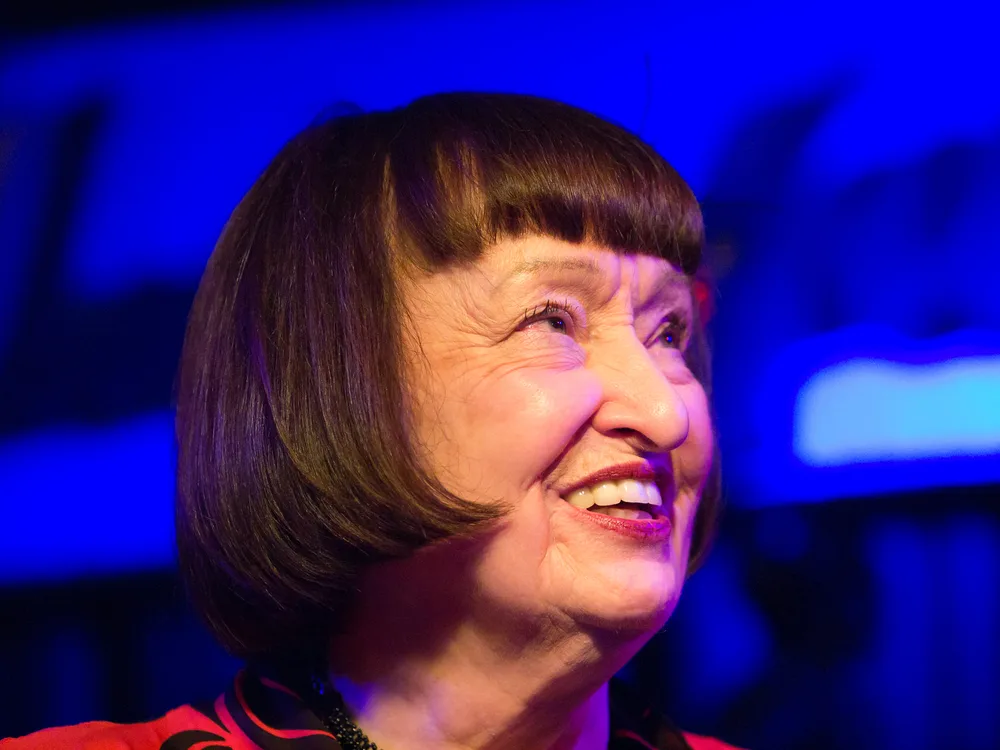
Sheila Jordan performing at the Jazz Club Unterfahrt, Munich, Bavaria, October 19, 2011 CC BY-SA 2.5 — Wikimedia Commons - https://commons.wikimedia.org/wiki/File:Sheila_Jordan_Unterfahrt_2011-10-19-001.jpg

Sheila Jordan was born Sheila Jeanette Dawson on November 18, 1928, in Detroit, Michigan. Her father left soon after her birth and her mother struggled with alcoholism, so Jordan was raised largely by her maternal grandparents in Summerhill, Pennsylvania, a coal-mining town she later described as among the poorest in a poor region. She returned to the Detroit area as a teenager in the early 1940s and started performing in clubs almost immediately, drawn into the city's postwar bebop scene. There she teamed with two young men, Skeeter Spight and Leroy Mitchell, to form a vocal trio called Skeeter, Mitch and Jean (Jordan was "Jean"), which set lyrics to Charlie Parker's recorded solos and sang them in three-part harmony, a vocalese approach that predated Lambert, Hendricks and Ross by roughly a decade, though the trio itself never recorded. Jordan met Parker in person at his Detroit dates, and he began inviting the group to sit in; he later told her directly, "You've got million dollar ears, kid," a line that stuck to her for the rest of her career and that she credited as the moment she committed her life to jazz.
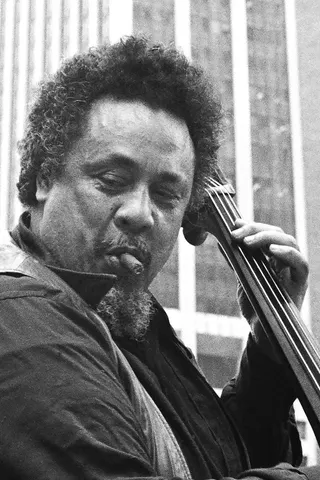
She moved to New York in 1951 and studied music theory with Lennie Tristano and briefly with Charles Mingus, immersing herself further in Parker's vocabulary. In 1952 she married the bebop pianist Duke Jordan, one of Parker's own regular sidemen; the marriage lasted a decade, ending in divorce in 1962, and produced a daughter, Tracey. Jordan continued working New York's jazz rooms through the 1950s while her husband's heroin addiction worsened, and by her own account she leaned harder into a day job, first as a typist and later for two decades as a legal secretary at a Madison Avenue advertising agency, to support herself and her daughter.
Her breakthrough as a recording artist came almost by accident. Ruth Lion, wife of Blue Note Records co-founder Alfred Lion and herself a singer, heard Jordan performing at the Page Three, a Greenwich Village club, and urged her husband to come listen. Blue Note had never before recorded a jazz vocalist as a policy matter, but Lion made an exception, and on September 19 and October 12, 1962, at Rudy Van Gelder's Englewood Cliffs studio, Jordan recorded Portrait of Sheila with guitarist Barry Galbraith, bassist Steve Swallow and drummer Denzil Best. Released by Blue Note in January 1963 with liner notes by Nat Hentoff, it remains one of the small handful of vocal albums the label issued in its history. Jordan originally wanted the record built entirely around bass and voice; Blue Note turned the idea down, though she would spend much of the next two decades making exactly that record, again and again, for other labels. Portrait of Sheila won her the top spot in DownBeat's 1963 Critics Poll for Talent Deserving Wider Recognition, but she did not lead another studio session for over a decade, continuing to work day jobs while raising her daughter and performing only sporadically.
Jordan's return to regular recording began with Confirmation (East Wind, 1975), cut in New York with bassist Cameron Brown, drummer Beaver Harris, pianist Alan Pasqua and saxophonist Norman Marnell. Two years later, in Oslo, she made Sheila (SteepleChase, 1978) with Norwegian bassist Arild Andersen alone, a stripped-to-the-bone reading of standards by Billy Strayhorn, Steve Kuhn and others that became the first fully realized version of the bass-and-voice duo format Blue Note had rejected fifteen years earlier. She carried that format forward through the 1980s and beyond with bassist Harvie S (recording then as Harvie Swartz), the longest of her duo partnerships, on Old Time Feeling (recorded 1982, reissued on Muse in 1989) and Songs From Within (MA Recordings, 1993); she also worked through the era as the vocalist in pianist Steve Kuhn's quartet, appearing on the ECM album Playground (recorded 1979, released 1980) alongside Kuhn, Harvie Swartz and drummer Bob Moses. In 1974 she began teaching as an artist-in-residence at the City College of New York, and from 1978 to 2005 she held a regular faculty position there running vocal jazz workshops, alongside guest teaching stints at the University of Massachusetts Amherst, the Vermont Jazz Center, and her own Jazz Camps and workshops internationally; she was laid off from her advertising-agency job in 1987 and, with her daughter grown, turned to music and teaching full time.
Her later leader catalog, recorded almost entirely for small independent labels, includes Jazz Child (HighNote, 1999), a studio reunion with Steve Kuhn's trio (bassist David Finck, drummer Billy Drummond) and guest vocalist Theo Bleckmann; Little Song (HighNote, 2003); and Celebration (HighNote, 2005), a duo album with bassist Cameron Brown recorded live at the Triad in Manhattan on her 76th birthday in November 2004. She received the Mary Lou Williams Award for a lifetime of service to jazz in 2008 and was named a National Endowment for the Arts Jazz Master in 2012, the highest official honor bestowed on a jazz musician in the United States, cited for both her singing and her decades of teaching. She continued performing into her nineties, working steadily with bassist Cameron Brown and, in her final years, with guitarist Roni Ben-Hur and Harvie S. That trio recorded Portrait Now at RVS Studio in the Bronx in 2022, a set that answers her Blue Note debut sixty years on and shares repertoire with it; Harvie S recorded, produced and mixed the album, and Ben-Hur played guitar alongside his bass, the two of them her only accompanists. Dot Time Records released it on February 14, 2025, the same day Jordan gave her final live performance, at the Green Mill in Chicago. She died on August 11, 2025, at her apartment in Manhattan, at age 96, passing in her sleep while her friend Joan Belgrave, widow of trumpeter Marcus Belgrave, played her a recording of one of his compositions.
Jordan sang almost entirely inside the vocabulary of bebop, treating her voice as an improvising horn rather than a melody-first instrument: she scatted with the harmonic daring of a saxophonist working through a Charlie Parker line, took liberties with tempo and phrasing on nearly every performance, and favored dissonant intervals and minor-key standards that most vocalists of her generation avoided. That approach made her, in critic Scott Yanow's phrase, "one of the most consistently creative of all jazz singers," prized by critics and by generations of younger singers even though it kept her outside the commercial mainstream for most of her career. Her most lasting technical contribution was the vocal-bass duo format: turned down by Blue Note in 1962, she built it herself over the following decades with Arild Andersen, Harvie S and Cameron Brown, stripping her singing down to a single bass line with nothing to hide behind, a format now closely associated with her name and adopted by many singers who came after her. Her teaching, thirty-one years at City College of New York plus decades of international workshops, extended that same emphasis on risk and personal voice to generations of vocal students rather than to a working band of alumni, the model closer to a conservatory practice than to a bandstand apprenticeship.
- Portrait of Sheila (1962, Blue Note) - Her debut as a leader, one of the very few vocal albums Blue Note released, cut with guitarist Barry Galbraith, bassist Steve Swallow and drummer Denzil Best.
- Confirmation (1975, East Wind) - Her return to leading a studio session after more than a decade away, recorded in New York with Cameron Brown, Beaver Harris and Alan Pasqua.
- Sheila (1978, SteepleChase) - A duo record with Norwegian bassist Arild Andersen, recorded in Oslo, and the first fully realized version of the bass-and-voice format she pursued for the rest of her career.
- Playground (1980, ECM) - Recorded as the vocalist in pianist Steve Kuhn's quartet with bassist Harvie S and drummer Bob Moses, a major sideman credit from her most active ensemble period.
- Old Time Feeling (rec. 1982, Muse) - The first widely heard studio document of her long duo partnership with bassist Harvie S.
- Jazz Child (1999, HighNote) - A studio reunion with Steve Kuhn's trio and guest vocalist Theo Bleckmann, one of her most fully realized later-career leader dates.
- Celebration (2005, HighNote) - A live duo album with bassist Cameron Brown, recorded at Manhattan's Triad on her 76th birthday.
- Portrait Now (2025, Dot Time Records) - Her final released album, a trio recording with guitarist Roni Ben-Hur and bassist Harvie S that revisits Portrait of Sheila's repertoire, released the same day as her last live performance. Listen
Sheila Jordan: Full Discography
Identity confirmed via the live Discogs API: artist ID 318910 ("Sheila Jordan," realname "Sheila Jeanette Jordan," born Sheila Dawson November 18, 1928, Detroit; married to Duke Jordan 1952-1962; died August 11, 2025, Manhattan). Discogs credits her on more than 200 releases across a 60+ year span; the great majority are guest appearances on other leaders' records, tribute compilations, reissues and foreign pressings rather than additional leader sessions. This is a curated list of her significant leader/co-leader albums and her most historically important sideman and guest credits, not an exhaustive reproduction of the full Discogs release list.
As Leader / Co-Leader
| Album Title | Recording Date(s) | Release Date | Label | Catalog Number | Format(s) | Personnel | Role | Reissue History | Spotify | Buy | Notes |
|---|---|---|---|---|---|---|---|---|---|---|---|
| Portrait of Sheila | September 19 & October 12, 1962, Van Gelder Studio, Englewood Cliffs, NJ | January 1963 | Blue Note | BLP 9002 | Vinyl, LP, Album, Mono | Sheila Jordan (vocals), Barry Galbraith (guitar), Steve Swallow (bass), Denzil Best (drums); produced by Alfred Lion, recorded by Rudy Van Gelder, liner notes by Nat Hentoff | Leader | Reissued multiple times on CD and in Blue Note's 75th Anniversary vinyl series | — | — | Her recording debut; one of the very few vocal albums Blue Note released. Won DownBeat's 1963 Critics Poll, Talent Deserving Wider Recognition. She did not lead another session for over a decade afterward. |
| Confirmation | July 12-13, 1975, Vanguard Studio, NYC | 1975 | East Wind (Japan) | EW-8024 | Vinyl, LP | Sheila Jordan (vocals), Norman Marnell (tenor sax), Alan Pasqua (piano), Cameron Brown (bass), Beaver Harris (drums) | Leader | Reissued on CD by Test of Time Records | — | — | Her first leader session in over a decade, marking the start of her return to regular recording |
| Sheila | Recorded August 27-28, 1977, Bendiksens Studio, Oslo | 1978 | SteepleChase | SCS-1081 | Vinyl, LP, Album, Stereo | Sheila Jordan (vocals), Arild Andersen (bass); produced by Nils Winther | Co-leader (duo) | None found | — | — | The first fully realized recording in her signature vocal-bass duo format, a concept Blue Note had declined for her debut fifteen years earlier |
| An Interview with Steve Kuhn & Sheila Jordan | Not specified in Discogs data | 1980 | Warner Bros. Records | Not confirmed | Vinyl, LP | Sheila Jordan, Steve Kuhn (interview/spoken word and music) | Co-leader | None found | — | — | A promotional interview record, not a conventional studio album |
| Old Time Feeling | Recorded October 15, 1982, Eurosound, NYC | 1982 (Palo Alto); reissued 1989 (Muse) | Muse Records (reissue); originally Palo Alto Jazz | MCD 5366 (Muse reissue) | Vinyl (1982); CD, Album, Reissue (1989) | Sheila Jordan (vocals), Harvie Swartz (bass); produced by Herb Wong | Co-leader (duo) | Reissued on Muse Records CD in 1989 with one bonus track | — | — | Her first widely heard studio duo album with longtime partner Harvie S |
| Songs From Within | Not specified in Discogs data | 1993 | MA Recordings | M014A | CD, Album | Sheila Jordan (voice), Harvie Swartz (bass) | Co-leader (duo) | None found | — | — | An "M-A one point recording," a minimalist single-microphone production technique |
| One For Junior | Recorded September 24, 1991 | 1993 | Muse Records | MUSE MCD 5489 | CD, Album | Sheila Jordan & Mark Murphy (vocals, co-producers), Kenny Barron (piano), Bill Mays (piano, synthesizer), Harvie Swartz (bass), Ben Riley (drums) | Co-leader | None found | — | — | Co-billed with fellow bebop vocalist Mark Murphy |
| Jazz Child | Not specified in Discogs data | 1999 | HighNote Records | HCD 7029 | CD, Album | Sheila Jordan (vocals, producer), Steve Kuhn (piano), David Finck (bass), Billy Drummond (drums), Theo Bleckmann (guest vocals); liner notes by James Gavin | Leader | None found | — | — | A studio reunion with pianist Steve Kuhn, decades after their 1970s-80s work together |
| Little Song | Not specified in Discogs data | 2003 | HighNote Records | Not confirmed | CD, Album | Sheila Jordan (vocals); full personnel not confirmed in the time available | Leader | None found | — | — | |
| Celebration (Live at the Triad) | Recorded live November 17-18, 2004, The Triad, New York City | 2005 | HighNote Records | HCD 7136 | CD, Album | Sheila Jordan (vocals, co-producer), Cameron Brown (bass, co-producer) | Co-leader (duo) | None found | — | — | Recorded live on Jordan's 76th birthday |
| Winter Sunshine | Not specified in Discogs data | 2008 | Justin Time | Not confirmed | CD | Sheila Jordan (vocals); full personnel not confirmed in the time available | Leader | None found | — | — | |
| Portrait Now | Recorded 2022, RVS Studio, The Bronx, NYC | February 14, 2025 | Dot Time Records | DT9162 | CD, Album | Sheila Jordan (vocals), Roni Ben-Hur (guitar), Harvie Swartz (bass, recording engineer, producer, mixing engineer); mastered/mixed by David Kowalski; liner notes by James Gavin and Johanan Bickhardt | Leader | None found | Spotify - Portrait Now | — | Her final released album, recorded three years before release; answers her 1962 Blue Note debut and shares repertoire with it. Released the same day as her final live performance, at the Green Mill in Chicago. |
As Sideman / Guest (selected major credits, not exhaustive)
| Year | Project (Leader) | Title | Label | Catalog | Role | Notes |
|---|---|---|---|---|---|---|
| 1980 | Steve Kuhn / Sheila Jordan Band | Playground | ECM Records | ECM 1159 | Vocals (co-billed) | Recorded July 1979; with Steve Kuhn (piano), Harvie Swartz (bass), Bob Moses (drums); produced for ECM by Manfred Eicher |
| 1980 | Steve Swallow | Home: Music by Steve Swallow to Poems by Robert Creeley | ECM Records | Not confirmed | Vocals | A setting of poet Robert Creeley's texts to Swallow's music |
| 1984 | Various artists | That's the Way I Feel Now: A Tribute to Thelonious Monk | A&M | Not confirmed | Vocals (guest track) | All-star Monk tribute compilation |
| 1998 | Various artists | Blue Box 2: The Finest in Jazz Vocalists | Blue Note / EMI | Not confirmed | Vocals (compilation) | Blue Note vocal-jazz anthology including her "Portrait of Sheila" material |
Grammy and major honors (independently cross-checked against arts.gov and Wikipedia)
| Year | Honor | Notes |
|---|---|---|
| 2006 | Manhattan Association of Cabarets & Clubs (MAC) Lifetime Achievement Award | Recognized her adjunct teaching career after 28 years |
| 2007 | International Association for Jazz Education (IAJE) Humanitarian Award | |
| 2008 | Mary Lou Williams Award for a Lifetime of Service to Jazz | |
| 2012 | NEA Jazz Masters Fellowship | The highest official jazz honor conferred by the U.S. government; cited for her singing and her decades of vocal-jazz teaching |
| 2026 | DownBeat Jazz Hall of Fame | Posthumous induction |
No Grammy Award nomination for Sheila Jordan could be confirmed against grammy.com, which carries no artist page for her; her documented recognitions are the career-honor awards listed above rather than competitive-recording Grammy nominations.
- Duke Jordan - Bebop pianist and one of Charlie Parker's regular sidemen; married to Sheila Jordan from 1952 to 1962, and the source of her professional surname. The couple's daughter, Tracey, was born during the marriage.
- Charlie Parker - Mentor figure from her Detroit teenage years; invited her vocal trio to sit in at his Detroit performances and told her directly, "You've got million dollar ears, kid."
- Barry Galbraith, Steve Swallow and Denzil Best - The trio behind her on Portrait of Sheila (1962), her Blue Note debut, produced by Alfred Lion and recorded by Rudy Van Gelder.
- Cameron Brown - Bassist across multiple decades of her career, from Confirmation (1975) through the duo album Celebration (2005), recorded live on her 76th birthday.
- Arild Andersen - Norwegian bassist on Sheila (1978), recorded in Oslo, the first fully realized recording in her long-running vocal-bass duo format.
- Harvie S (Harvie Swartz) - Her most enduring bass partner, from Playground (1980, with Steve Kuhn's quartet) through the duo albums Old Time Feeling (1982) and Songs From Within (1993), and finally Portrait Now (2025), which he also recorded, produced and mixed.
- Steve Kuhn - Pianist who featured Jordan as the vocalist in his working quartet through the late 1970s (Playground, 1980) and again on her own Jazz Child (1999).
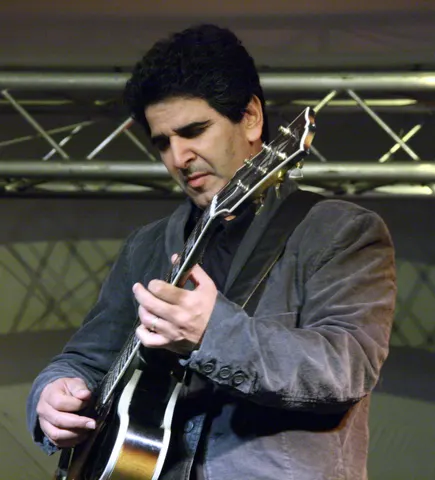
- Roni Ben-Hur - Guitarist on her final album, Portrait Now (recorded 2022, released 2025), one of only two musicians accompanying her on the record.
- Mark Murphy - Fellow bebop vocalist, co-billed with Jordan on the 1993 Muse Records album One For Junior, recorded with Kenny Barron, Ben Riley and Harvie S.
- Wikipedia: Sheila Jordan
- Wikipedia: Portrait of Sheila
- Wikipedia: Duke Jordan
- Discogs: Sheila Jordan (artist 318910)
- NEA Jazz Masters: Sheila Jordan
- Detroit News: "Detroit-born jazz singer Sheila Jordan dead at 96," August 12, 2025
- NPR: "Remembering jazz singer Sheila Jordan," August 15, 2025
- Dot Time Records / Bandcamp, Portrait Now release page and liner notes (personnel, recording location, release date)
- Roni Ben-Hur's own jazzprofiles.com profile (Ben-Hur/Harvie S personnel confirmation for Portrait Now)